
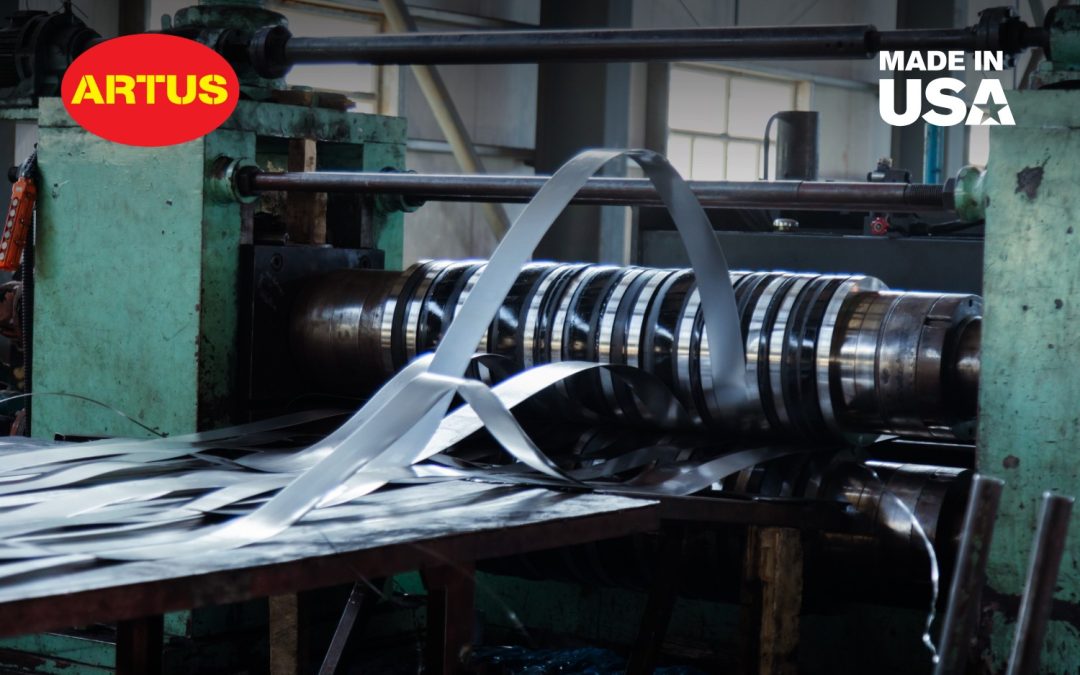
Simple adjustments that improve cut quality, reduce waste, and stabilize slitting operations
Scrap is one of the most common and costly issues in slitting operations. Whether working with film, foil, paper, laminates, or other materials, even small setup problems can quickly lead to edge defects, width variation, and wasted material.
The good news: many slitting issues can be corrected with quick adjustments before production starts.
By checking key elements of your slitter tooling, spacing, and setup procedures, operators and technicians can often eliminate the most common sources of scrap.
Below are six practical fixes that can improve slitting consistency and reduce material waste.
1. Verify Slitter Tooling Condition
Worn or damaged knives are one of the leading causes of scrap. Even minor damage can cause inconsistent cuts and edge defects.
Before every shift or job change:
-
- Inspect knives for chips, burrs, or uneven wear
- Confirm spacers are clean and undamaged
- Check that tooling components seat properly on the arbor
Quick Fix:
Remove damaged knives and replace them before starting the run.
2. Confirm Correct Tooling Stack Setup
Incorrect stack order or spacing can immediately create width variation or poor edge quality.
Before startup:
-
- Verify knife and spacer order matches the setup sheet
- Ensure components are fully seated on the arbor
- Confirm spacing matches the required slit widths
Quick Fix:
Standardize setup sheets and verify tooling stacks before each shift.
3. Use Color-Coded Plastic Slitter Shims for Accurate Spacing
Spacing adjustments are common during slitting setup. Using Color-Coded Plastic Slitter Shims makes these adjustments faster and more consistent. Technicians can quickly identify shim thickness by color without measuring every piece.
Benefits include:
-
- Instant thickness identification
- Faster spacing corrections
- Reduced setup errors
Quick Fix:
Standardize color-coded shims across the slitting operation to simplify adjustments.
4. Check Alignment Across the Arbor
Even when spacing is correct, poor alignment can cause uneven cutting forces and scrap. Misalignment often results in inconsistent edge quality.
Before startup:
-
- Confirm knives align across the full arbor length
- Verify spacers and shims sit flat
- Ensure tooling tightens evenly
Quick Fix:
Perform a quick visual alignment check after tightening tooling.
5. Secure Finished Coils to Prevent Scrap After Slitting
Scrap can occur even after the slitting process is complete if coils are not properly secured before handling or transport. Using polypropylene tape (non-residue tape) is a simple and effective way to secure slit coils immediately after processing.
Loose coil ends can lead to:
-
- Edge damage
- Material unraveling
- Handling defects
- Product contamination
6. Document Successful Setups
One of the simplest ways to reduce scrap is to repeat setups that already work. Documenting successful setups helps operators reproduce results quickly.
After a successful run, record:
-
- knife and spacer sequence
- shim thickness used
- tooling configuration
- any adjustments made
These Small Setup Improvements Matter
Many slitting problems originate in the setup process. Improvements in slitter tooling setup, shim selection, and alignment checks can significantly reduce:
- material scrap
- machine downtime
- setup errors
- troubleshooting time
Consistency during setup leads to more consistent production.
Artus Corporation provides precision slitter tooling supplies, Color-Coded Plastic Slitter Shims, and setup materials designed for reliable spacing and repeatable slitting performance.
Whether you need plastic slitter shims, polypro tape, or tooling support components, Artus products help reduce setup errors and improve slitting accuracy.
Order Online today. For personalized assistance, call us at (201) 568-1000 or complete our RFQ form below.